
Blog

If you've ever ripped open a bag of chips, squeezed the last bit of toothpaste from a tube, or peeled back the lid on a yogurt cup, you've already had a hands-on encounter with one of the most quietly revolutionary materials of our time. Flexible plastic packaging is everywhere, yet most of us barely notice it until something leaks, tears, or refuses to reseal. So let's pull back the curtain on this unassuming powerhouse and explore why it's reshaping how brands ship, store, and sell almost everything. What Exactly Is Flexible...

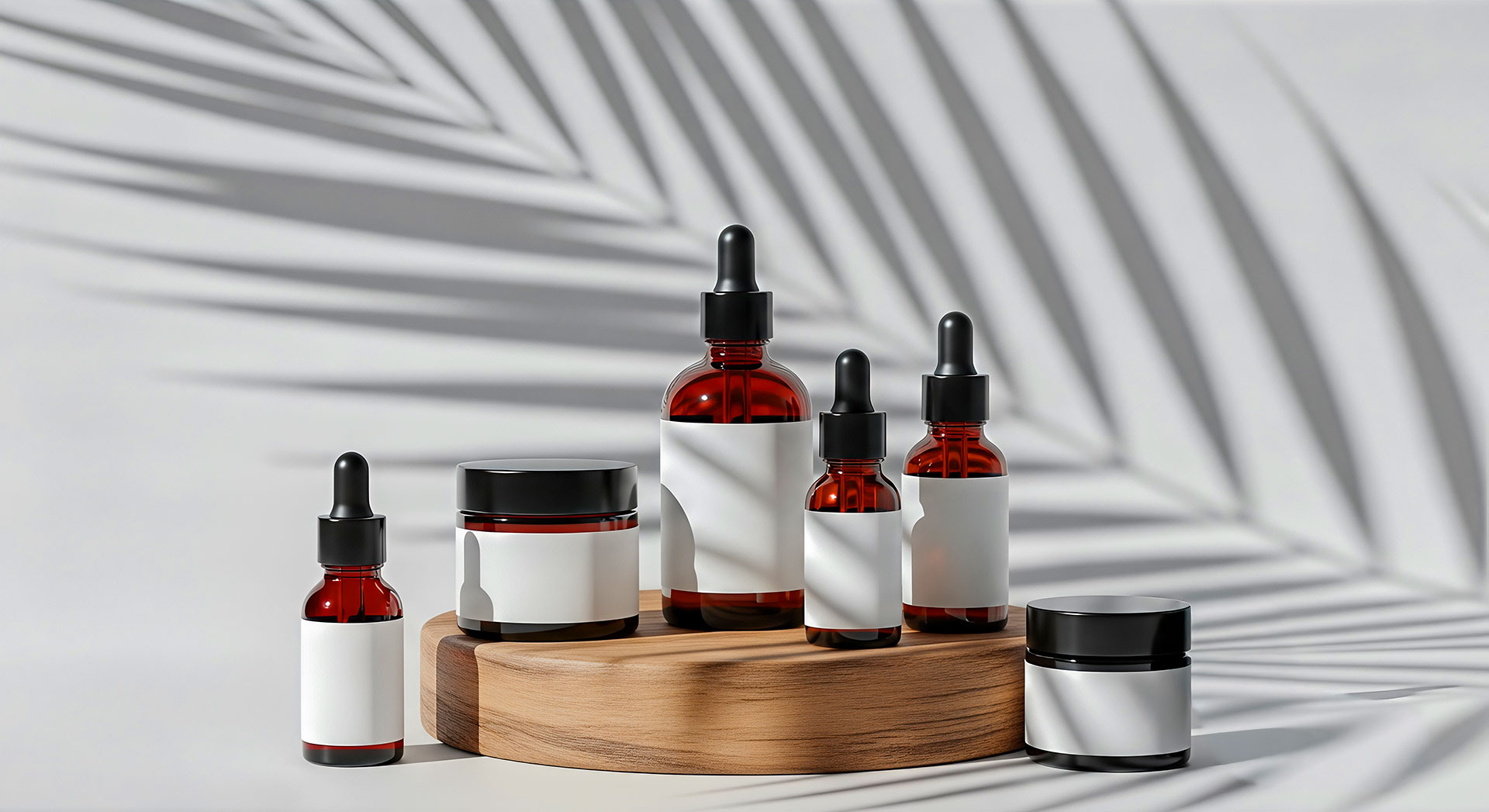
Starting a beauty brand is exciting, but let's be honest, the moment you start shopping for packaging, reality hits hard. Minimum order quantities feel impossible, prices seem designed for billion-dollar corporations, and every supplier asks if you're ordering 50,000 units. Sound familiar? Finding the right cosmetic packaging for small business owners can feel like cracking a secret code that only the big players know.But here's the good news: the packaging landscape has shifted dramatically in favor of indie brands. Whether you're bottling your first batch of serum from your kitchen...

Packaging rarely gets credit. It doesn’t close the sale. It doesn’t generate leads. It doesn’t sit in your revenue reports. But it quietly influences all of them. Every box, insert, and material choice affects cost, efficiency, and customer experience. Over time, those effects compound. That’s where profit is either protected or slowly drained. The Hidden Cost Center Most Businesses Overlook Many companies treat packaging as a fixed expense. Something required. Something standard. But packaging decisions directly impact multiple cost layers at once. Shipping is the most obvious. Larger packages increase dimensional weight...

Packaging isn’t just about presentation. It directly affects customer retention, product protection, shipping costs, and brand perception. If a product arrives damaged, feels wasteful, or is frustrating to open, customers remember. And not in a good way. Strong packaging solves problems before they happen. That’s what keeps customers coming back. Protective Structural Packaging That Reduces Damage The most expensive packaging mistake is product damage. Returns, replacements, and lost trust cost far more than better packaging ever will. Instead of relying on excess filler, smart packaging uses structure. Custom inserts hold products in...

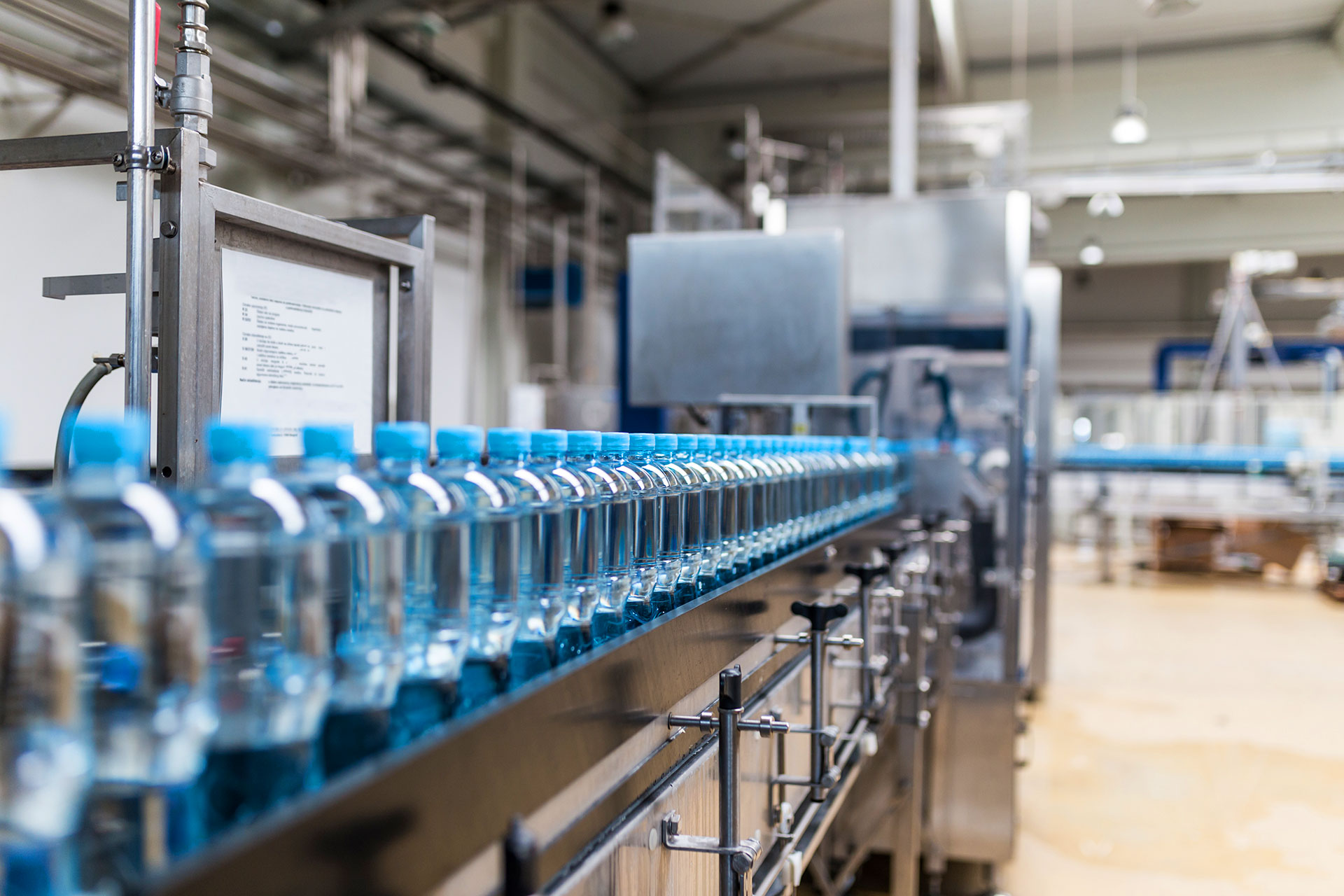
Every product needs a container. That part is obvious. What is less obvious is who actually does the filling, sealing, and packaging, and why so many businesses choose not to do it themselves. Contract packaging is the answer that a surprising number of companies quietly rely on. What Contract Packaging Actually Means A contract packaging company takes your product and packages it for you. You supply the formula, the material, or the product itself. They handle the filling, the sealing, the labeling, and the finished container.It is a straightforward arrangement. But the...

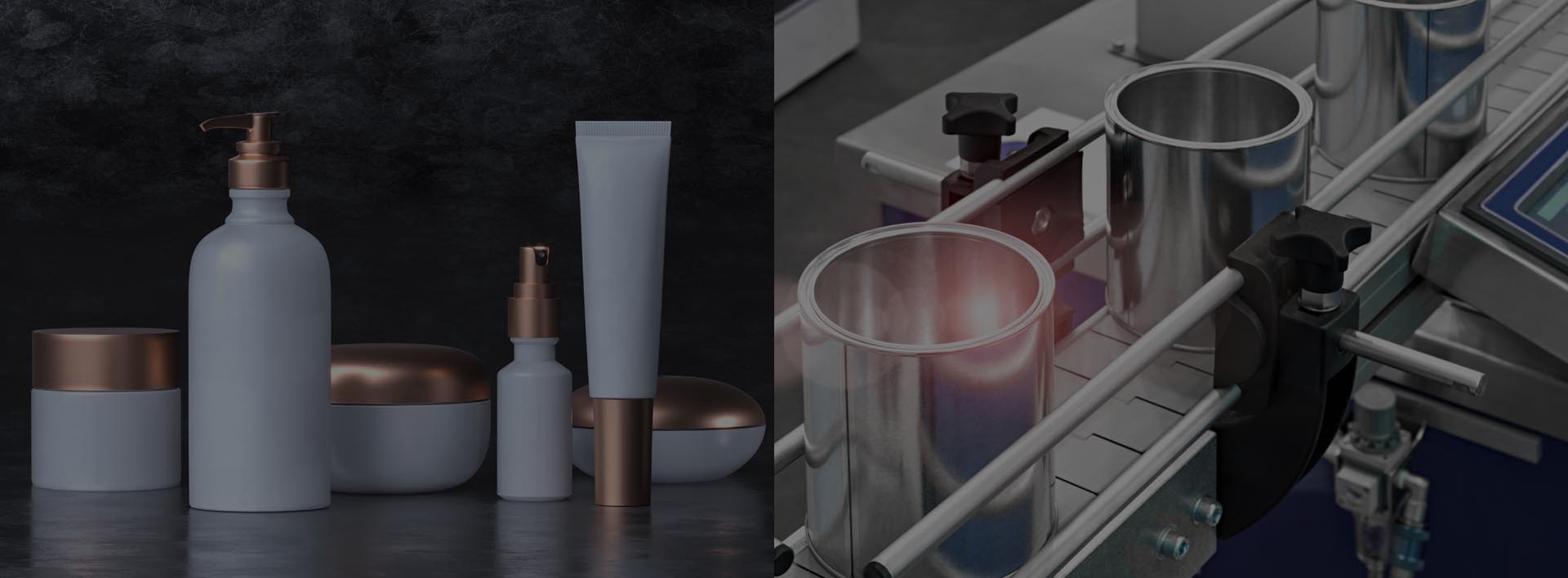
Plastic gets all the attention these days. It is lightweight, flexible, and cheap to produce. Brands gravitate toward it by default. But for certain product categories, metal cans remain the superior choice, and the reasons go deeper than tradition. A Container That Actually Protects Metal is impermeable. Full stop.It does not breathe. It does not allow light in. It does not flex under pressure or degrade when exposed to harsh chemicals. For products that are genuinely sensitive to oxygen, moisture, or UV exposure, that level of protection is not a feature; it...

Packaging often looks simple from the outside. A box. A label. Some protective material inside. Yet behind every successful package is a series of decisions that determine whether a product arrives safely, looks professional, and satisfies customers. Skipping proper testing might save time at the start, but it usually leads to larger problems later.Testing packaging early helps businesses avoid costly surprises when products finally reach real-world conditions. The Real Cost of Untested Packaging Many companies assume that if a product fits inside a box, it will travel safely. Shipping environments, however, are...

Packaging does more than protect a product during shipping. It shapes how customers feel before they even use what they bought. The moment a box arrives at the door or appears on a store shelf, expectations begin to form. Smart packaging design turns that moment into an experience, one that often decides whether a buyer returns again.Today, brands compete not only through products but through presentation. First Impressions Begin Before the Product Customers notice details quickly. Texture. color balance. How a box opens. Even the weight of the material can influence perception....

Packaging decisions tend to happen late in the process. The product is ready. The branding exists. The deadline is close. A box gets chosen. That order usually shows.When packaging is treated as a finishing step, it rarely fits as well as it should. The best packaging choices happen earlier, when product and brand are considered together. So, how to choose packaging that feels intentional instead of improvised? Start with the Product, Not the Shelf Before thinking about appearance, think about reality. Weight. Shape. Fragility. Shelf life. Shipping distance. Handling frequency. These details...

Packaging used to be an afterthought. A container. A necessity. Something to get the product from point A to point B. That way of thinking no longer holds. In today’s market, custom packaging plays a strategic role. It shapes perception, influences behavior, and affects revenue long after a purchase is made.It’s not just a box. It’s a business decision. First Impressions Don’t Wait Before a product is touched or tested, it’s seen. Packaging speaks first. Color, structure, texture, and weight all send immediate signals. Is this premium or practical? Thoughtful or rushed?Customers...