

20 May Cosmetic Packaging for Small Business: Smart Strategies That Actually Work
Starting a beauty brand is exciting, but let’s be honest, the moment you start shopping for packaging, reality hits hard. Minimum order quantities feel impossible, prices seem designed for billion-dollar corporations, and every supplier asks if you’re ordering 50,000 units. Sound familiar? Finding the right cosmetic packaging for small business owners can feel like cracking a secret code that only the big players know.
But here’s the good news: the packaging landscape has shifted dramatically in favor of indie brands. Whether you’re bottling your first batch of serum from your kitchen or scaling to boutique retailers, the right packaging strategy can make or break your launch. Let’s dig into what actually works.
Why Packaging Matters More Than You Think for Small Beauty Brands
Your product might be a holy grail formula, but if it arrives in a generic bottle with a crooked sticker, customers will hesitate. Packaging is the first physical handshake between your brand and your buyer. It communicates quality, intention, and trust before anyone unscrews a cap.
For small businesses, packaging plays an even bigger role because you don’t have million-dollar ad budgets doing the talking. Your jar, your tube, your box—these are your silent salespeople. They sit on shelves, appear in unboxing videos, and shape every Instagram tag your customers post.
Beyond aesthetics, smart packaging choices directly impact your margins, shipping costs, and product longevity. Choosing wisely from day one prevents painful (and expensive) reformulation or rebranding later.
The Biggest Packaging Challenges Small Businesses Face
Before we get to solutions, let’s name the elephants in the room. Most indie founders run into the same handful of frustrations when sourcing packaging.
- High minimum order quantities (MOQs): Many manufacturers want orders of 5,000 to 50,000 units.
- Limited customization: Low-MOQ suppliers often only offer stock designs.
- Inconsistent quality: Cheap packaging can crack, leak, or fade quickly.
- Long lead times: Custom orders can take 8 to 16 weeks, killing momentum.
- Sustainability pressure: Customers want eco-friendly options but they cost more.
Understanding these pain points up front helps you ask better questions when you start reaching out to suppliers.
Types of Cosmetic Packaging Every Small Business Should Know
Not all packaging is created equal, and matching the container to the formula is critical. Here’s a breakdown of the most common options indie beauty brands rely on.
Glass Bottles and Jars
Glass screams premium. It’s perfect for serums, face oils, and luxury creams. The downside? It’s heavy, which jacks up shipping costs, and it breaks. Frosted glass and amber glass are popular for protecting light-sensitive formulas.
Airless Pumps
If you’re formulating with active ingredients like vitamin C or peptides, airless pumps are your best friend. They prevent oxidation and bacterial contamination, extending product shelf life significantly. They look sleek and feel expensive, but they cost more than standard bottles.
Squeeze Tubes
Tubes are ideal for cleansers, lotions, masks, and hair products. They’re lightweight, travel-friendly, and offer plenty of real estate for branding. Plastic tubes are the most affordable, while aluminum tubes lean luxe and eco-conscious.
Droppers
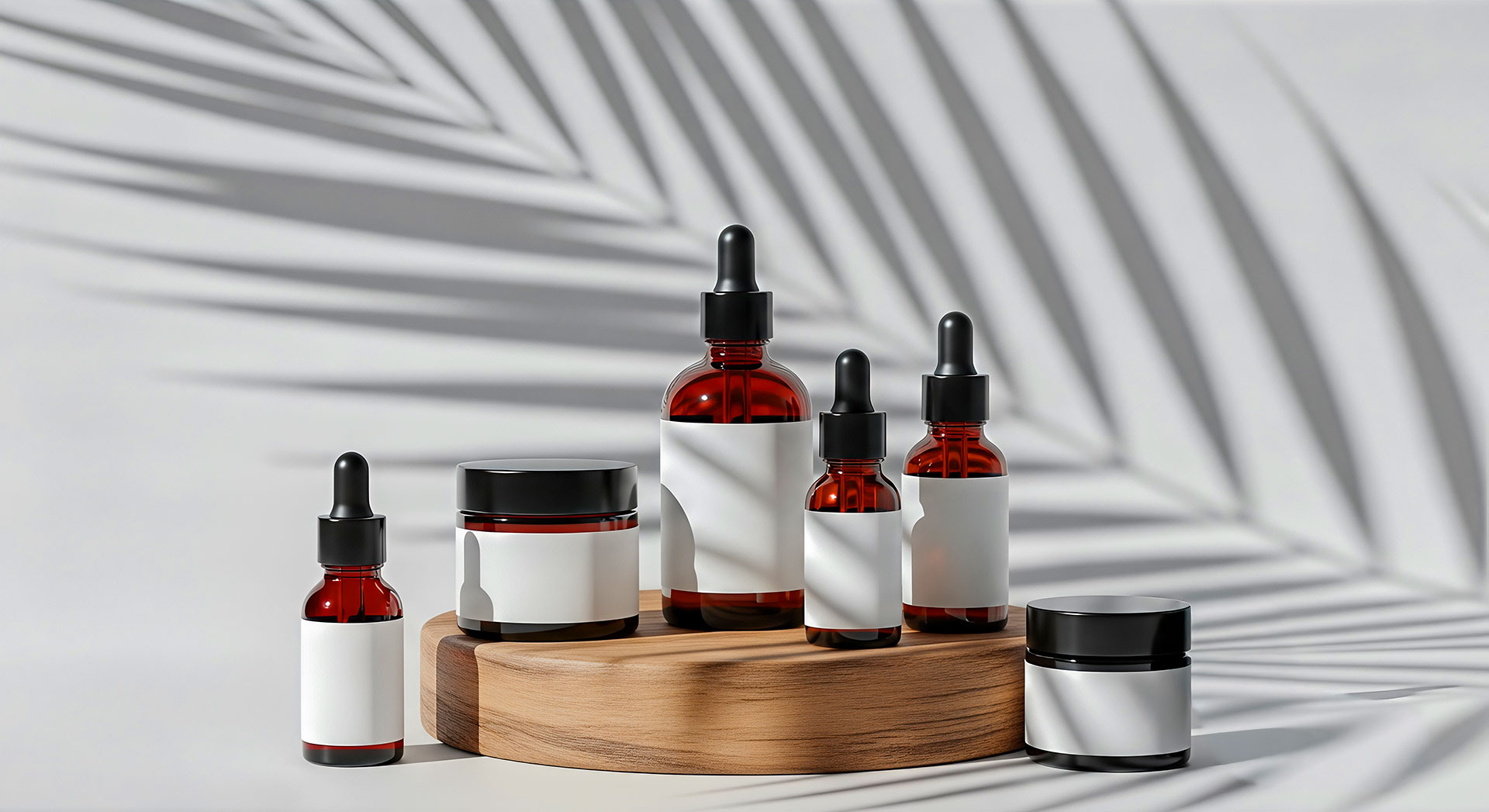
Glass dropper bottles dominate the serum and oil market. They feel apothecary-inspired and let customers control dosage. Just be aware that dropper tops can be inconsistent in quality, so always test samples before bulk ordering.
Compacts and Palettes
For color cosmetics, compacts open up a world of branding opportunity. Magnetic closures, mirror inserts, and custom embossing can elevate even simple formulations into shelf-stopping products.
How to Choose the Right Packaging for Your Product
The right container depends on more than just looks. Walk through these considerations before you commit to anything.
- Formula compatibility: Some ingredients react with certain plastics or metals. Always confirm with your supplier.
- Customer experience: Will your customer use this in the shower? On the go? At a vanity?
- Brand positioning: Luxury, clinical, playful, minimalist? Your packaging should reinforce the vibe.
- Shipping practicality: Heavy or fragile packaging eats profits fast on ecommerce orders.
- Budget reality: Factor in not just unit cost but also decoration, secondary packaging, and freight.
Pro tip: Order samples from at least three suppliers before placing any bulk order. Hold them in your hand, test them with your formula, and check how they look photographed. What looks great in a catalog can underwhelm in person.
Finding Suppliers That Actually Work With Small Businesses
The supplier hunt is where many founders get stuck. The big-name manufacturers you see at trade shows often won’t return your emails if you’re ordering fewer than 10,000 units. But plenty of suppliers specifically cater to indie brands.
Start by exploring platforms that specialize in low minimum order packaging. Many of these suppliers offer stock containers with optional custom decoration like printing, labeling, or hot stamping, giving you a polished look without overwhelming MOQs.
Other places to source include:
- Domestic wholesalers: Faster shipping and easier communication, though slightly higher prices.
- Overseas manufacturers: Lower unit costs, but longer lead times and stricter MOQs.
- Packaging trade shows: MakeUp in LA, Luxe Pack, and Cosmoprof are goldmines for samples and contacts.
- Industry forums: Reddit communities and Facebook groups for indie beauty founders share supplier recommendations constantly.
Sustainable Packaging Options Worth Considering
Eco-conscious packaging is no longer a nice-to-have; it’s expected by a huge portion of beauty shoppers. The good news is that sustainable options have exploded in availability and dropped in price over the past few years.
Consider these alternatives when planning your line:
- PCR (post-consumer recycled) plastic: Looks identical to virgin plastic but reuses existing material.
- Refillable systems: Customers buy the container once and purchase refill pods or pouches.
- Bamboo and wood caps: Add a natural, premium touch to glass containers.
- Aluminum: Infinitely recyclable and increasingly stylish in matte finishes.
- Compostable mailers: An easy first sustainability win for your secondary packaging.
Smart Budgeting Tips for Packaging on a Tight Launch Budget
You don’t need to spend tens of thousands of dollars to launch with packaging that looks professional. Plenty of brands have built six and seven-figure businesses starting with strategic, scrappy choices.
Here are tactics that actually save money without sacrificing brand integrity:
- Start with stock packaging and invest in killer labels instead of full custom molds.
- Order one packaging style across multiple SKUs to hit volume discounts.
- Use the same secondary box for several products and differentiate with inserts or stickers.
- Negotiate. Suppliers often have flexibility, especially on samples, decoration, and shipping.
- Buy in slightly larger quantities than you think you need to lock in better pricing for restocks.
Common Packaging Mistakes That Cost Small Brands Money
Avoiding a few classic errors can save you thousands of dollars and months of headaches. These mistakes show up over and over in indie beauty.
Skipping compatibility testing. Pouring your formula into pretty packaging without testing for ingredient reactions, leakage, or degradation is a recipe for product recalls.
Ignoring secondary packaging. The unboxing experience matters. A beautiful bottle in a flimsy mailer feels disappointing and tanks the perceived value.
Falling for trends instead of timelessness. Trendy shapes and colors can date your brand quickly. Aim for packaging that will still feel current in three or five years.
Underestimating regulatory requirements. Cosmetic labels have legal requirements, including ingredient lists, net weight, and manufacturer info. Build label space into your design from day one.
Final Thoughts on Packaging Your Small Beauty Brand
Choosing cosmetic packaging for your small business doesn’t have to feel like climbing Everest in flip-flops. With the right strategy, you can find suppliers willing to work with smaller orders, materials that align with your values, and designs that genuinely make customers excited to share your product online.
Focus on getting the fundamentals right: formula compatibility, customer experience, brand alignment, and realistic budgeting. Order samples obsessively, ask questions relentlessly, and remember that your first packaging run rarely needs to be your forever packaging. Many of today’s most beloved indie brands started simple and evolved their packaging as they grew.
Your brand deserves packaging that tells its story beautifully. Take your time, do the research, and trust the process. The right containers are out there, waiting to hold the next big thing in beauty.